
"Indonesia Gr6"
30 article(s) found

Description of different flavors of coffee beans from Ethiopia and Indonesia
The different flavors of coffee beans from Ethiopia and Indonesia describe the taste of coffee beans. Varieties represent countries: Guatemala, Costa Rica, Savaldo and other Central American countries. The higher the altitude of the origin, the better the quality of coffee. Because of the low altitude and hot climate, coffee trees grow faster and absorb less soil nutrients, so the taste of coffee is poor. Growth 1375 years 1

Introduction to the method of flavor description and taste treatment of coffee raw bean grade G1 growing environment
Coffee raw bean grade G1 growing environment flavor description taste treatment method introduces the representative countries: Brazil, Indonesia, Ethiopia, Cuba, Peru and so on. The method is to randomly take 300 grams of samples and put them on black paper, and different defects correspond to different points, such as 1 point for 1 pebble, 5 points for 1 big pebble, 1 point for 5 broken beans, and 1 point for 5 pest beans.

The difference between Ethiopian and Indonesian coffee beans
The difference between Ethiopian and Indonesian coffee beans represents countries: Guatemala, Costa Rica, Sawaldo and other Central American countries. The higher the altitude of the origin, the better the quality of coffee. Because of the low altitude and hot climate, coffee trees grow faster and absorb less soil nutrients, so the taste of coffee is poor. Extremely hard beans (SHB) grow from 1375m to 1524m.

The difference between Ethiopian and Indonesian coffee beans p introduction to the taste of varieties
The difference between Ethiopian and Indonesian coffee beans p varieties taste representative countries: Guatemala, Costa Rica, Savaldo and other Central American countries. The higher the altitude of the origin, the better the quality of coffee. Because of the low altitude and hot climate, coffee trees grow faster and absorb less soil nutrients, so the taste of coffee is poor. Growth 1375-1524

Are Ethiopian coffee beans G1 and G2 just different in the number of defective beans?
Ethiopian coffee beans G1 and G2 are only different in the number of defective beans. Honey treatment is to remove immature beans and other defective bean leaves after flotation of coffee beans, and then carry out red, yellow and black treatment according to different regions. Yellow honey usually removes the most peel, about 40 percent peel, red honey 25 percent peel, black honey only peel, and then

How to select high quality coffee beans
In fact, at present, there is no unified classification in the coffee industry, and each country of production is divided into different levels. For example, Brazil sets NO.2 as the highest level and Jamaica sets NO.1 as the highest level.

Tanzania AA Coffee Bean Sieve size characteristics Flavor Description Taste Estate Introduction
Tanzania AA Coffee Bean Sieve size Features Flavor Description Manor Introduction Tanzania's main coffee growing area is located at the foot of Mount Kilimanjaro, which has rich volcanic soil. Coffee trees planted here are more than 100 years old. The earliest coffee was first introduced from Kenya by Christians. Coffee trees must be carefully cared for, weeded and fertilized.

Guatemala Flower God Coffee Bean Grading Characteristics Flavor Description Taste Treatment Variety Introduction
Guatemala Floral Coffee Bean Grading Characteristics Flavor Description Taste Treatment Variety Introduction Coffee was originally intended for Italian residents or gourmets. This gives coffee a regional flavor. As trade developed, coffee blends gradually removed this geographical limitation and coffee became a blended drink, like champagne and some wine. In fact, some people

Introduction to the National Standard of Yunnan Coffee Raw Bean-planting Environment Manor area treatment method
The national standard of Yunnan coffee raw beans-planting environment manor production area treatment method introduces the representative countries: Guatemala, Costa Rica, Savaldo and other Central American countries. The higher the altitude of the origin, the better the quality of coffee. Because of the low altitude and hot climate, coffee trees grow faster and absorb less soil nutrients, so the taste of coffee is poor. Grow 1375m to 1524m
Standard of coffee bean grading international standard coffee raw bean grading method
If we go to the wholesale market to buy coffee beans, we will find that the coffee beans there are generally divided into three grades: AA, A, B or AAA, AA, A, which is a simple classification for commercial use. In fact, the grading standards vary from country to country. Today, Chongqing Beresta baristas training School introduces some common ways of grading raw coffee beans to friends: 1. With the size of coffee beans
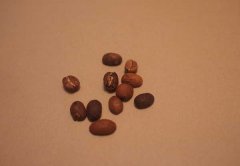
Reference index of coffee bean grading
(1) the size of coffee beans it is said that the size of beans does not affect the flavor of coffee, such as Mattari in Yemen. Although the particles of beans are large and small, they are still the top grade of coffee. However, in many producing areas, the size of coffee beans is indeed a valuable indicator. The regions where this classification method is generally used are Kenya, New Guinea and Poland.

Introduction to the characteristics of varieties produced by description and treatment of Grade Flavor of washed Coffee beans
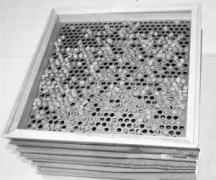
The process of screening the grade of washed coffee beans is to put the coffee beans on the Internet and shake them back and forth by machine or manually, the beans the size of a mesh will fall and be removed, and the beans that have been removed will be screened through a smaller sieve.
Reference Index of Coffee Bean grading Coffee Bean selection Kit
In fact, at present, there is no unified classification in the coffee industry, and each country of production is divided into different levels. For example, Brazil sets NO.2 as the highest level and Jamaica sets NO.1 as the highest level. For individuals, because people's preferences and taste are different, grading can not fully show the flavor of coffee, it is more about the quality of coffee, so the grade of coffee is not very good to me.

Introduction to the characteristics of seven major producing areas of manor flavor and taste in Kenyan coffee producing areas
This is the earliest classification of Kenyan coffee beans and is still in use in many parts of Brazil. The method of identification is to randomly take 300 grams of samples and put them on black paper, because black paper can best avoid reflection. Then, examined carefully by the professional appraiser, find out the defective beans in the sample, and accumulate different scores according to the types of defects. For example, one black bean counts as one point and one stone counts as one.

Why is the selection of coffee graded? What are the ways to grade coffee?
Select coffee is usually the top coffee; but what does the top coffee represent? Who is in charge of grading? How should it be graded? Although grade is not the only criterion for identifying flavor, it is still a fairly objective indicator. Why there are different ways to manage the origin of graded coffee; some are made up of large and small farmers, and some are dominated by expert enterprises. Even if the same
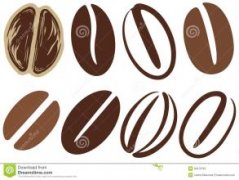
The difference between Arabica and Mantenin Coffee Bean introduction to the characteristics of Mantenin Coffee Bean
Professional coffee knowledge exchange more coffee bean information please follow the coffee workshop (Wechat official account cafe_style) when we drink coffee in a cafe, or when we buy coffee beans in a certain treasure, or even on the menu of some fast food chains, do we often see an advertisement like this?

Coffee Xiaobai classroom, how much do you know about coffee beans?
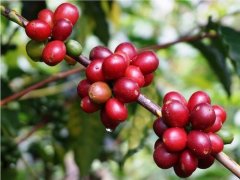
The history of coffee beans first tell you the historical story of coffee beans. Legend has it that around the tenth century AD, on the Ethiopian plateau of Africa, a shepherd Carl found sheep excited after eating some kind of red fruit. As a result, Carl distributed this incredible red fruit to the locals, and its magical effect spread. Picture: coffee tree

How to choose coffee beans? Master Coffee Bean Shop Tips
In fact, at present, there is no unified classification in the coffee industry, and each country of origin is divided into its own levels. For example, Brazil sets No. 2 as the highest level and Jamaica sets No. 1 as the highest level. Personally, because people's preferences and tastes are different, grading cannot fully present the flavor of coffee, but more presents the quality of coffee, so coffee
Coffee beans purchase skills how to choose coffee beans? How to choose coffee beans?
As a matter of fact, at present, there is no unified classification in the coffee industry, and each country of production is divided into different grades. For example, Brazil sets NO.2 as the highest level and Jamaica sets NO.1 as the highest level. For individuals, because people's preferences and taste are different, grading can not fully show the flavor of coffee, it is more about the quality of coffee, so coffee
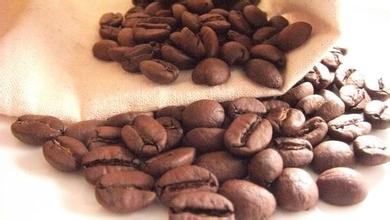
Panamanian coffee taste price coffee bean type coffee bean
The history of coffee beans first tell you the historical story of coffee beans. Legend has it that around the tenth century AD, on the Ethiopian plateau of Africa, a shepherd Carl found sheep excited after eating some kind of red fruit. As a result, Carl distributed this incredible red fruit to the locals, and its magical effect spread. Picture: coffee tree